Featured
Table of Contents
They may also view the world and others as unsafe and undependable, which normally leads to self-isolation or hypervigilance. Injury can originate from several experiences, and each traumatic experience affects an individual in a distinct way. Although there are various kinds of injury, the three main types are: Severe trauma originates from a solitary, isolated event.
This type of injury brings about instant anxiety, anxiety, or distress, and it can cause somebody to have a long-term anxiety that a comparable event will certainly happen again. Persistent injury usually comes from experiencing a prolonged duration of extremely stressful or unsafe occasions. This kind of injury can originate from chronic health problem, lasting domestic misuse, or being homeless.
In all instances, it's an offense of the close bonds of their caregivers. Facility trauma can come from kid abuse, youngster overlook, or seeing residential physical violence. This form of injury can create a person to mistrust others, have a stark expectation on their future, or watch themselves in a negative light.
When Family Dynamics Are Pathologized
On a smaller sized scale, intergenerational trauma can occur within particular neighborhoods, or even individual families. On a larger range, trauma can obtain given within entire nations or big parts of the globe. This sort of trauma happens when a team of individuals experience a traumatizing occasion, and they pass their injury to their youngsters.
Even after a populace is released from fascism, it prevails for them to continue the same survival mindset and emotional scarring. Despite not experiencing the original injury, future generations can still feel its impacts. Massive stressful occasions often cause certain mental, behavioral, and societal effects that get given from generation to generation.
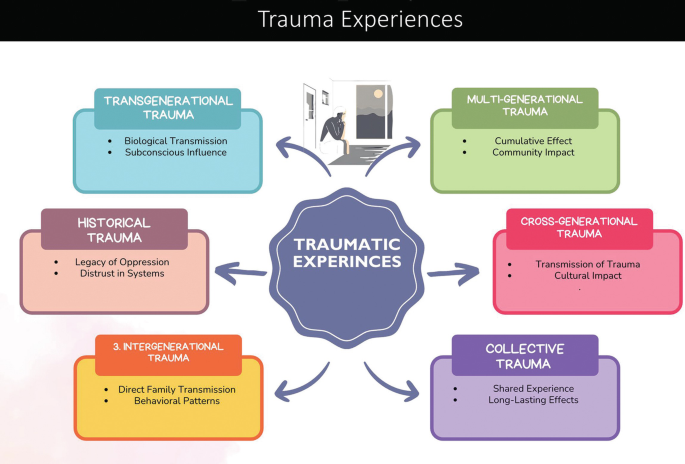
Kids typically select up these negative behavior patterns from their traumatized moms and dads, and they're likely to pass them to their children. Intergenerational trauma can reshape societal norms and expectations.
Cultural Gaps in Traditional Therapy
The best way to heal intergenerational trauma is by recognizing its damaging influence and stopping the cycle. Although this can be challenging on a big scale, it can be particularly reliable on an individual range. Injury therapy can help individuals identify their hidden injury and develop strategies for overcoming it.

At Inner Equilibrium, we think treating trauma must be one-of-a-kind to each client and their experiences.
Acknowledging Parents Without Fulfilling Their Lost Dreams
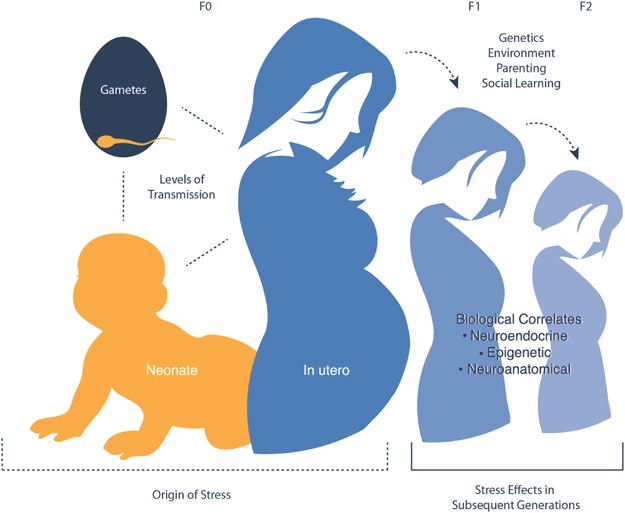
When individuals have actually experienced abuse or neglect in their own lives, it can have durable results on their psychological, psychological, and physical wellness. These results can after that be given to their kids and future generations, developing a poisonous cycle that can be challenging to damage. Trauma is transmitted in various ways, every one of which are unintended.
TF-CBT is mostly practiced with kids and teenagers, it can be utilized with grownups and family members. The trauma method is an evidence-based technique developed to deal with PTSD and other relevant behavior problems; it's likewise been proven to be one of one of the most effective interventions in decreasing trauma-related symptoms and boosting general wellness for those who have experienced injury.
Evidence-based treatments such as those talked about serve as first-line interventions when treating generational injury. It's important to keep in mind that the trauma-informed solutions formerly reviewed are only a few of numerous treatments.
6 FWbA assesses for two generations of injury, evaluates for strength, determines patient's demands, and produces an action strategy. 6 The outcomes of the research showed that the FWbA worked in enhancing the documents and recognition of intergenerational injury in medical facility setups. The scientists located that the analysis device proved to be efficient in health center settings, improving paperwork and recognition of intergenerational trauma, although some carriers were worried that the screening might lead to additional injury.
Living Between Two Identities
Twelve therapists were recruited for the study and had already been learnt TF-CBT by their place of work. After undergoing a 12-question meeting, the researcher determined that the design lowers terrible signs and symptoms and increases working. 7 Nevertheless, a constraint of this research study is the tiny sample dimension and lack of variety.
A larger example size would have enhanced generalizability, while a male specialist could have brought a various viewpoint into the study. A various research checked out consumer point of views on TF-CBT and located that those that received the intervention did not believe the service on its own was sufficient to meet their needs.
Signals You Need Bicultural Therapy
The research disclosed that along with trauma-informed services, mothers prefer a holistic strategy in their healing journeyone that would include treating the whole individual vs one facet. 8 In this situation, a holistic method would consist of treating such problems as the mother's physical postpartum requirements, mental/emotional needs, and childcare. Therefore, the trauma-informed services alone are insufficient to satisfy their needs.
It leaves substantial voids in expertise and restricts the capability to supply thorough and customized support to households affected by generational injury. There are several existing research studies that concentrate on either intergenerational trauma or trauma-informed solutions, but just a family member handful of research studies have actually specifically checked out trauma-informed solutions and their effect on intergenerational injury.
It equips them to damage the cycle of intergenerational injury and promotes recovery and resilience within their family members. Taryne Knott, MSSW, LCSW, CCATP, is a Physician of Social Work pupil at Spalding University's School of Social Work, as well as an intensive outpatient therapist and the assistant board member at a Kid Campaigning For.

Latest Posts
Addressing Past Experiences' Effects on Systems
Individual and Family Healing Together
From Hypervigilance to Balance