Featured
Table of Contents
Having scientific depression is different than simply really feeling unfortunate. To be identified with depression, symptoms must be present for two weeks or more.
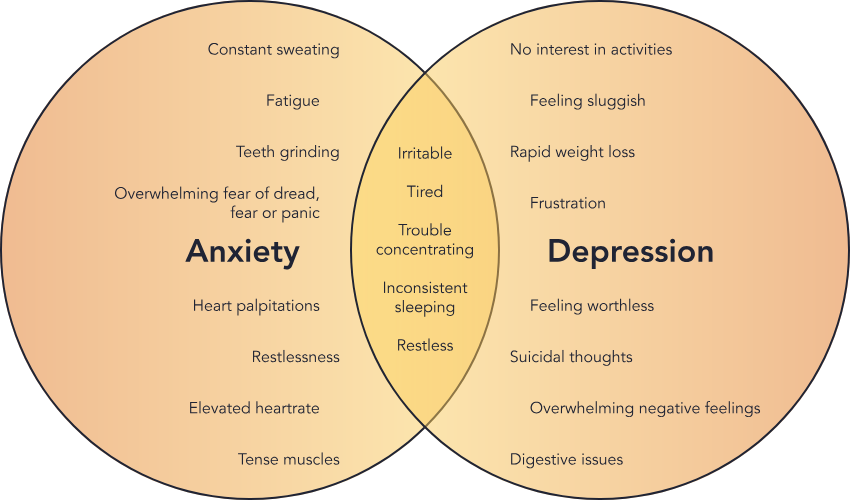
From person to person the severity and frequency of signs and symptoms will certainly differ, and while some individuals just experience a couple of signs, others experience numerous. Relentless sad, nervous, or "vacant" mood Really feeling hopeless Really feeling pointless Angry outbursts, irritability, or aggravation Loss of interest or enjoyment in leisure activities and tasks Believing nothing deserves attempting Thinking of fatality, or that life is unworthy living Lack of power Relocating or speaking slower than typical Difficulty with concentration, focus, memory, and decision making Really feeling uneasy or having trouble resting still Cravings or weight adjustments Problem sleeping, early-morning awakening, or sleeping a lot more or a lot less than regular Pains or discomforts, headaches, aches, or digestive troubles without a clear physical reason Although anxiety is among one of the most common mental problems in the United States, there is no exact well-known reason of clinical depression.
Recognizing Therapeutic Safety in Counseling
Danger factors for anxiety include: Inherited characteristics, personal or household background of depression Ecological aspects, like major life changes, trauma, or tension Emotional factors Certain physical illnesses and medications Organic distinctions, brain chemistry, or hormonal agents One of the most reliable treatment for clinical depression is drug and psychiatric therapy. The earlier that depression is treated, the easier it is to deal with.
Speaking to a psychiatrist, psychologist or various other mental health expert, can be really useful for people with clinical depression. Drugs to treat anxiety are called antidepressants. There are lots of kinds of antidepressants that do different things in the brain, like enhance just how the mind uses particular chemicals, or stabilize your mood.
Relationship Patterns Related to Past Trauma
Some examples of antidepressants are: Selective serotonin reuptake preventions (SSRIs) Serotonin-norepinephrine reuptake preventions (SNRIs) Irregular antidepressants Tricyclic antidepressants Monoamine oxidase preventions (MAOIs) Yes, you can have anxiousness and clinical depression at the exact same time. Although they are two different and unique psychological health and wellness issues, they commonly take place at the same time. In some cases, someone can have both an anxiousness problem and a major depressive disorder.
In other cases, clinical depression might create anxiousness. Yes, there is a distinction in between anxiousness and clinical depression drug.
Insurance and Payment With a Trauma-Informed Therapist Who Practices Trauma
Treatment can be a valuable device for individuals with anxiousness and clinical depression. For both anxiety and anxiety, CBT involves chatting with habits patterns, and assists to educate individuals with these mental illnesses how to deal with signs.
For anxiety, it can aid you experience positive emotions. Most of dealing with anxiety and depression with therapy is overlapping. Making use of evidence-based methods details to the therapy of mood conditions, like CBT, and continually speaking to a specialist will help those with stress and anxiety, clinical depression, or both, make noticeable enhancements. Yes, you can obtain therapy for anxiety and clinical depression online.
Your First Session With Couples Counseling for Depression and Anxiety
Mental wellness is complicated. While experts have produced particular medical diagnoses for various sorts of conditions, the reality is that several problems have a fantastic bargain of overlap, which can make it relatively hard to set apart in between two different troubles. One of one of the most typical problems that people have is attempting to discriminate in between anxiety and anxiety.
While it would certainly be terrific if there were a fool-proof way of telling you whether you have anxiety or depression, it's not rather that easy. One person can conveniently have both anxiety and clinical depression, and some individuals might have created anxiety symptoms as an outcome of their anxiousness problem. It's a bit a lot more challenging than claiming "you have stress and anxiety" or "you have depression" because it's possible to have mixes of both.
Symptoms of one or the other might hemorrhage into whichever condition you have, because both share similar causes, problems, etc. The very best way to understand the difference between the 2 problems is with the key signs and symptoms, starting with the mental signs and symptoms. Anxiousness: Worry over what's around to take place and what might take place in the future.
Awareness-Based Tools Integrated With Therapy in Singapore
Feeling like you require to run away or stay clear of points that could create more anxiousness. Anxiety: Really feeling of unhappiness regarding the future, as though it's helpless.
Those with anxiety often assume a negative future and do not anticipate anything else or think there's anything worth stopping. Anxiety can take place after a person experiences anxiety, due to the fact that somebody that handles severe anxiousness may finish up feeling drained pipes and hopeless as soon as their stress and anxiety or anxiety attack mores than. That's why the 2 conditions can be challenging to tell apart.
Physical symptoms can be very different. Once again, there are resemblances. Both stress and anxiety and clinical depression can leave you feeling drained and worn down. Yet when it comes to stress and anxiety, it has a tendency to take place after intense anxiousness, while with clinical depression it tends to be much more continuous, without always any kind of triggers.
Physical symptoms that look like wellness problems, specifically if accompanied with wellness worries. Clinical depression: Serious lack of energy or drive. Depression really has a tendency to have fewer physical symptoms, however the mental symptoms can be so dangerous (specifically the possibility for suicidal ideas) and the lack of energy so articulated that numerous people with clinical depression offer with intense battles daily that absolutely rival the symptoms of anxiety.

Table of Contents
Latest Posts
Your Exploration Into Insight-Oriented Treatment and Emotional Healing
Obsessive Thinking Relief in Depression
Discovering Why Professional Mental Health Care Supports Development For Real Healing
More
Latest Posts
Your Exploration Into Insight-Oriented Treatment and Emotional Healing
Obsessive Thinking Relief in Depression
Discovering Why Professional Mental Health Care Supports Development For Real Healing